
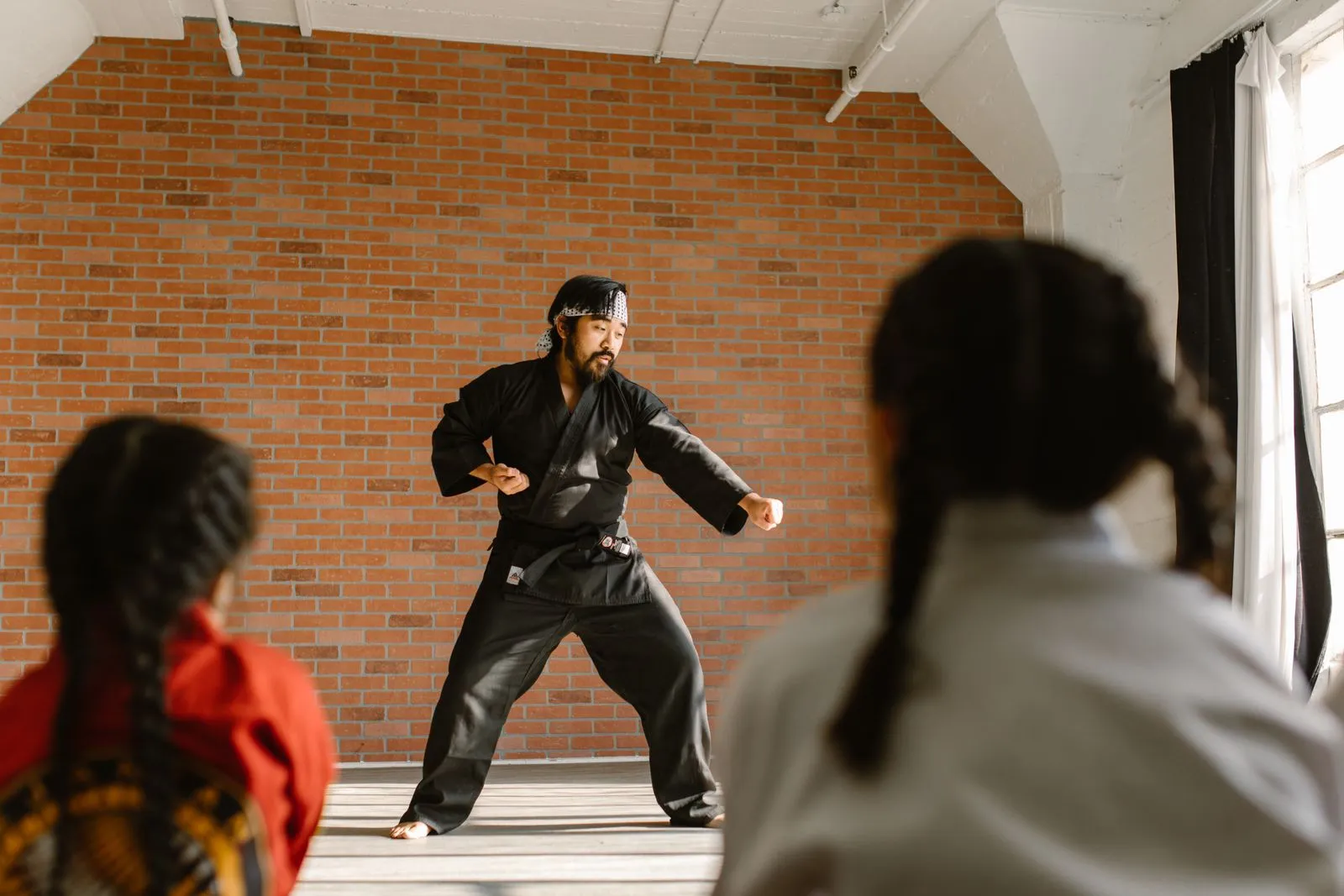
Adaptive martial arts classes teach practical movement and martial arts skills while making room for different abilities, communication styles, and learning preferences. A class may include a welcome and check-in, a warm-up, skill practice, and a calm finish. The exact format depends on the student and school. Instructors can adjust the pace, directions, equipment, or practice space so students can work toward meaningful goals with appropriate support.
A predictable class structure
Many classes follow a clear sequence: greeting and check-in, warm-up, skill instruction, practice, and closing. Knowing what comes next can help students prepare for transitions. Instructors may use spoken directions, demonstrations, visual cues, or a simple schedule. The structure should still allow flexibility when a student needs more time, a break, or a different way to take part.
A warm-up might include mobility exercises, balance practice, or light movement. Skills can include stances, blocks, forms, or partner drills, depending on the class and student goals. Practice can happen individually, with an instructor, or with a partner when that suits the student. A closing check-in gives students a chance to reflect and helps the instructor plan the next session.
Instruction built around the student
Personalized instruction starts with learning what helps the student participate. Instructors can ask about goals, movement preferences, communication needs, sensory considerations, and any support strategies that work well. A family member or support person may share useful context, with the student's involvement and permission as appropriate. This conversation helps set practical goals without assuming that students with similar diagnoses need the same approach.
A coach can break a technique into smaller steps, demonstrate it from a useful angle, or offer extra repetition. They can also give one direction at a time, check understanding, and recognize progress in specific terms. Students may work toward fitness, coordination, confidence, self-defense skills, or enjoyment of movement. Goals should be reviewed as needs and interests change.
Adjustments that make practice work
Training can be adapted in several ways. An instructor might change a stance, shorten a movement, use a chair or wall for support, or offer a non-contact version of a drill. Equipment can be lighter, larger, or positioned differently. Students may practice at their own pace, repeat a familiar skill, or take planned breaks. The goal is to preserve the purpose of an activity while making participation more accessible.
The practice environment matters, too. A quieter space, a clear boundary around the training area, more room between students, or a consistent partner may make a class easier to manage. Instructors can adjust sound, lighting, transitions, or the amount of physical contact when possible. Students should be able to communicate discomfort or request a pause, using speech, gestures, or another reliable method.
Choosing a good starting point
Before a first class, ask how instructors learn about each student's needs and goals. Find out whether they can offer a trial visit, explain the class routine in advance, or discuss possible adjustments. Share relevant information about movement, communication, sensory preferences, and safety. You do not need to disclose more than is useful for planning a comfortable, respectful session.
A good fit is not defined by how quickly a student learns a technique. Look for clear communication, respect for the student's boundaries, and a willingness to adapt activities rather than exclude someone from practice. At Adaptive Martial Arts in St. Petersburg, prospective students can contact the school to ask about class structure and discuss support needs before getting started.
Adaptive martial arts classes combine a clear routine with coaching that can change to meet a student's goals, preferences, and support needs. Ask how a school handles communication, breaks, equipment, and individual adjustments before attending. Contact Adaptive Martial Arts to discuss what could help make a first class a comfortable place to begin.